Twin City Hub Exploring Bratislava and Vienna Regional Innovation Potential
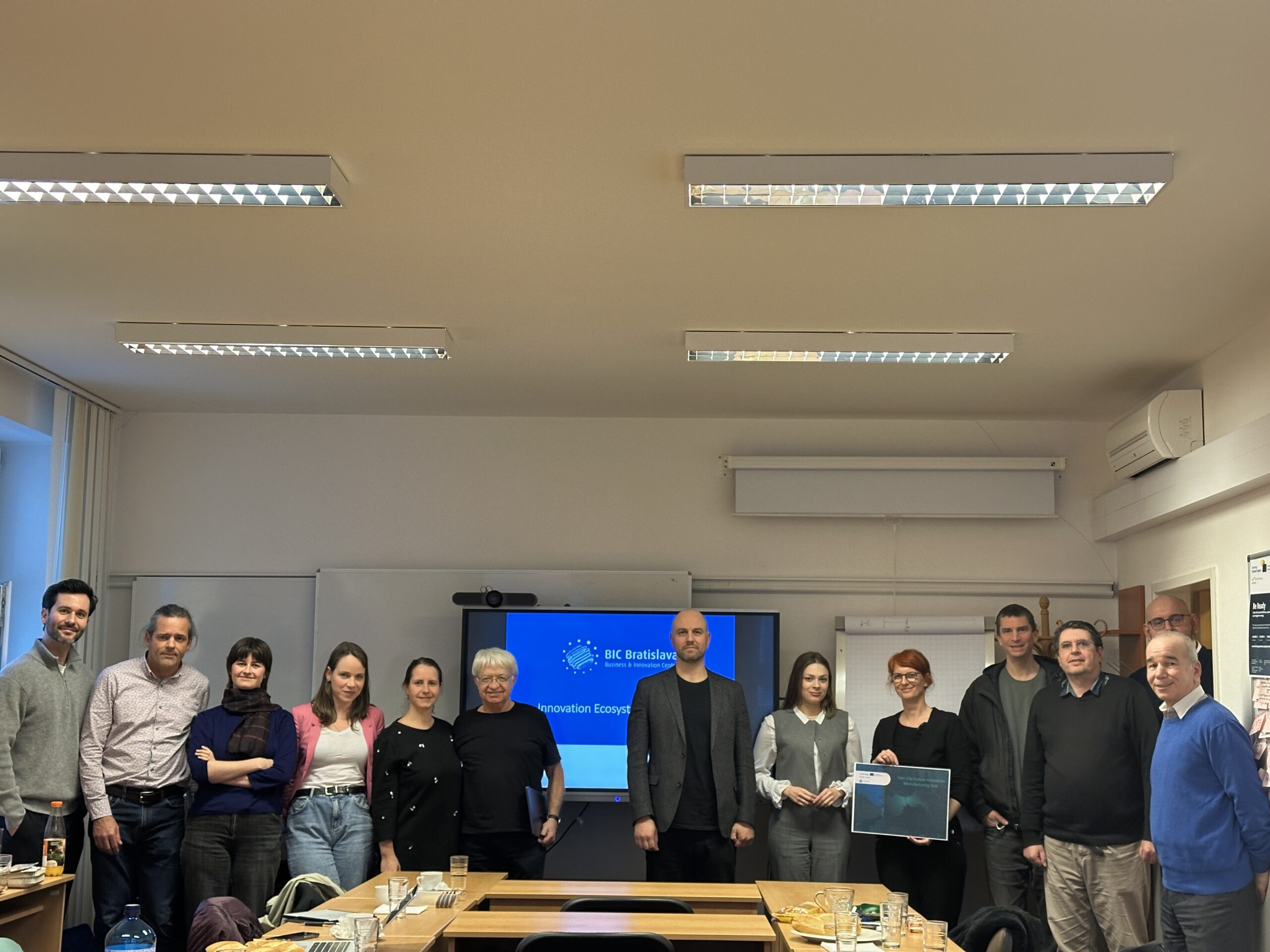
Day One – Bratislava: From Research Excellence to Market Impact
The first day in Bratislava highlighted a comprehensive and increasingly mature innovation ecosystem built around strong research institutions, structured technology transfer, startup incubation, and applied AI development.
At Comenius University Science Park, the Geneton case demonstrated a successful full-cycle innovation journey. Long-term academic research in genomics led to the development of a competitive non-invasive prenatal test (NIPT), the creation of a biotech spin-off, and subsequent international scaling through acquisition. This example illustrates how research, strong IP strategy, and close collaboration between academia and industry can generate high-value innovation, skilled employment, and further technological applications, including oncology.
Entrepreneurship support is reinforced by the Comenius University Incubator, which offers a clear two-stage pathway: the “Validate” programme for MVP (minimum viable product) development and testing, and the “Build & Grow” programme for company formation and early market entry. This structured model supports students and researchers in transforming innovative ideas into viable businesses while fostering multidisciplinary cooperation.
The Technology Transfer Center of the Comenius University strengthens this ecosystem by focusing on high-quality intellectual property management, prioritizing strategic patenting and international protection.
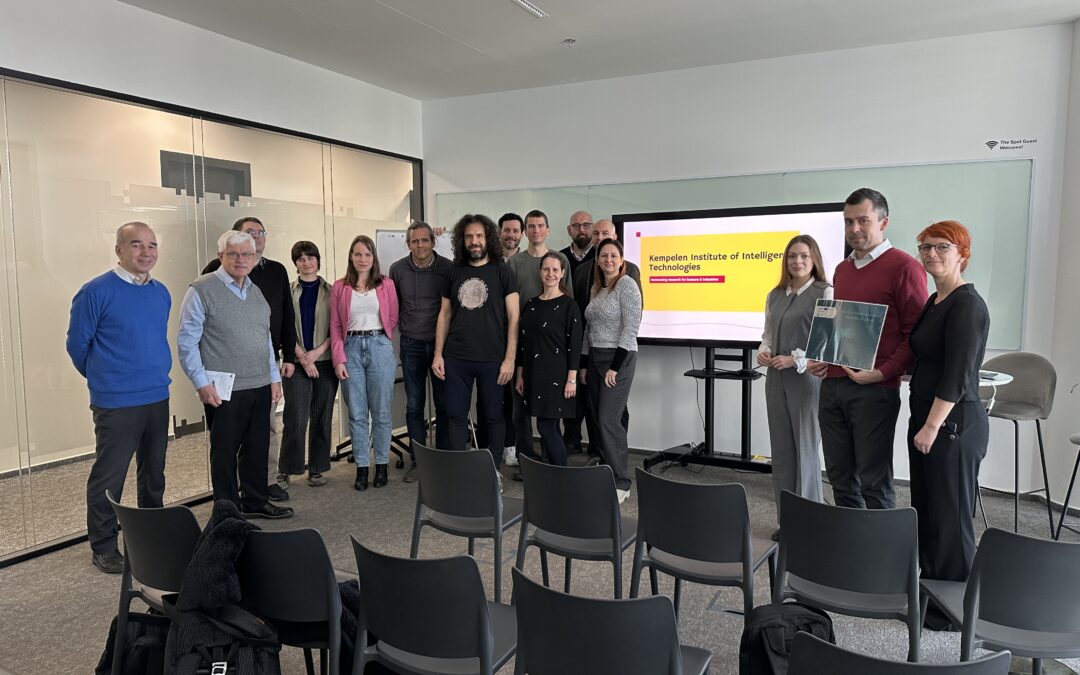
The Kempelen Institute of Intelligent Technologies (KInIT) adds a strong AI dimension to the ecosystem. As an independent AI-focused research institute with significant Horizon Europe participation and growing industry collaboration, KInIT demonstrates how applied research, European funding excellence, and responsible AI governance can be successfully integrated.
Overall, Bratislava presented a well-connected innovation chain — from research and IP protection to startup development and international scaling.
Day Two – Vienna: Industrial Depth and Applied Research Capacity
The second day in Vienna focused on large-scale industrial innovation, applied research infrastructure, and accessible prototyping environments.
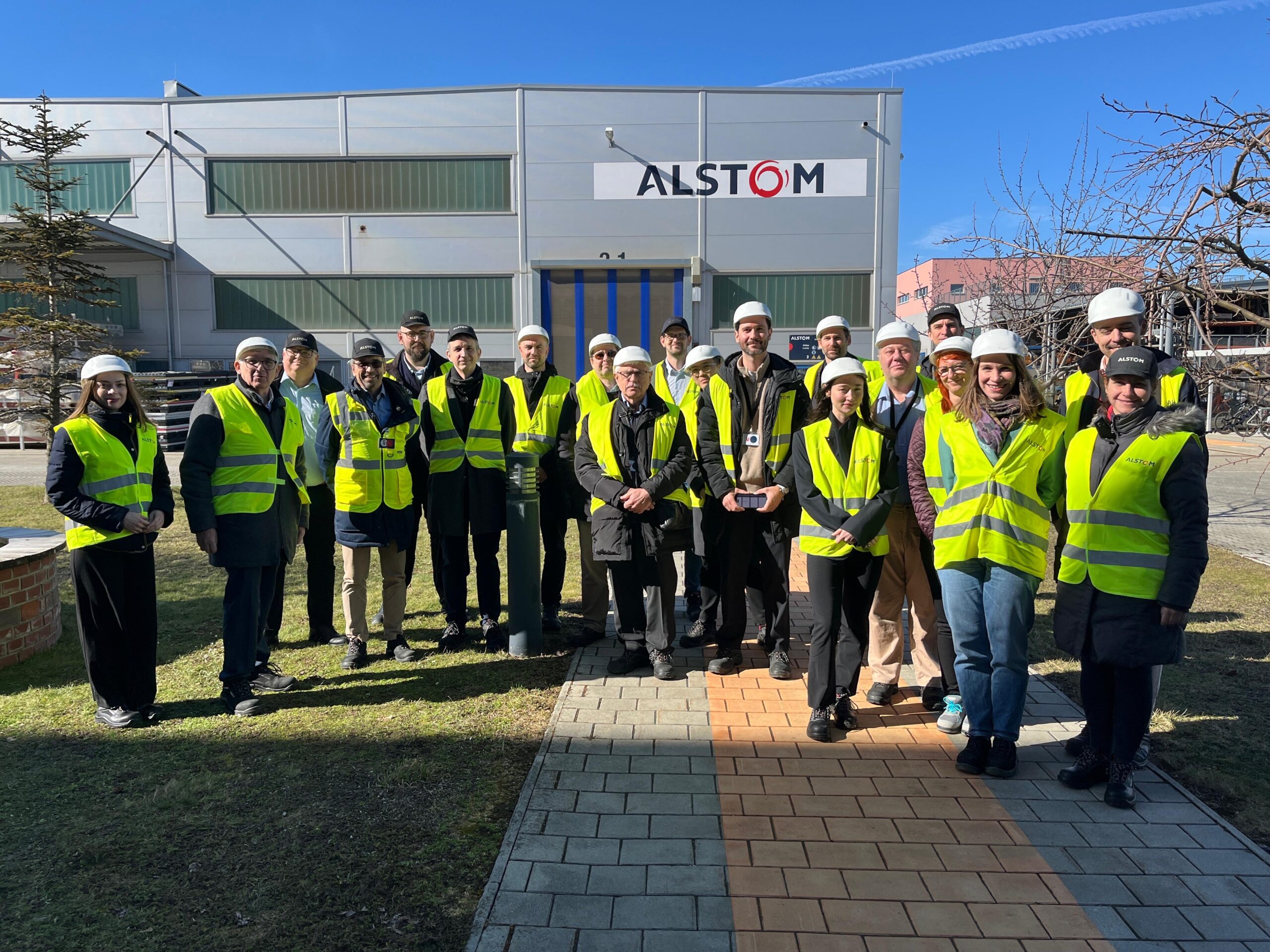
At Alstom, discussions emphasized the complexity of innovation in the rail sector. Safety and certification standards are more stringent than in automotive, however, there are many interactions with the automotive industry.
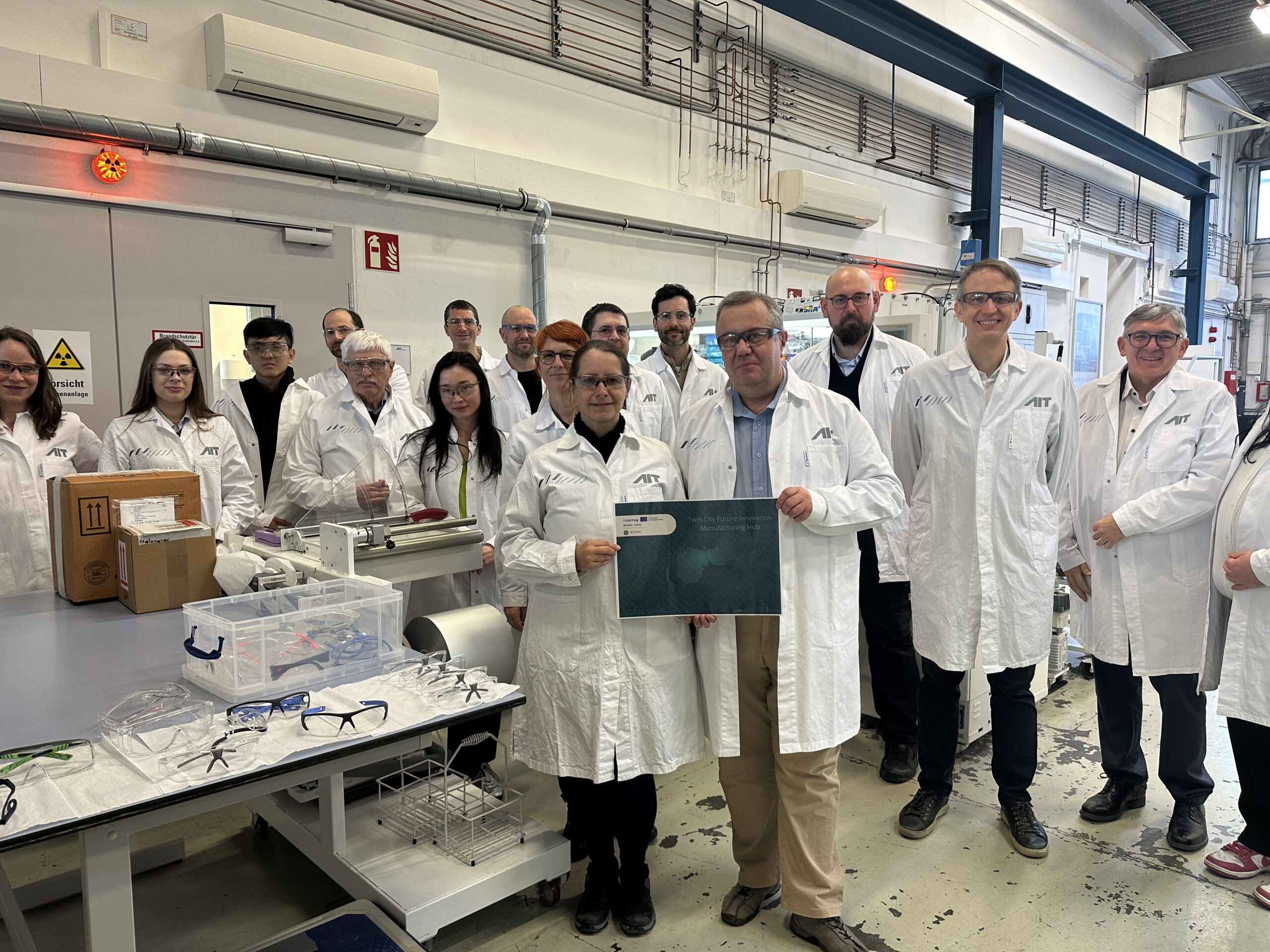
The Austrian Institute of Technology (AIT), Austria’s largest applied research organization, operates at mid-to-high technology readiness levels (TRL 6–8) and maintains a balanced funding structure combining public, EU, and industry sources. Its expertise in transport technologies, battery systems, infrastructure monitoring, and digital security reflects a highly professionalized model for translating applied research into industrial impact.
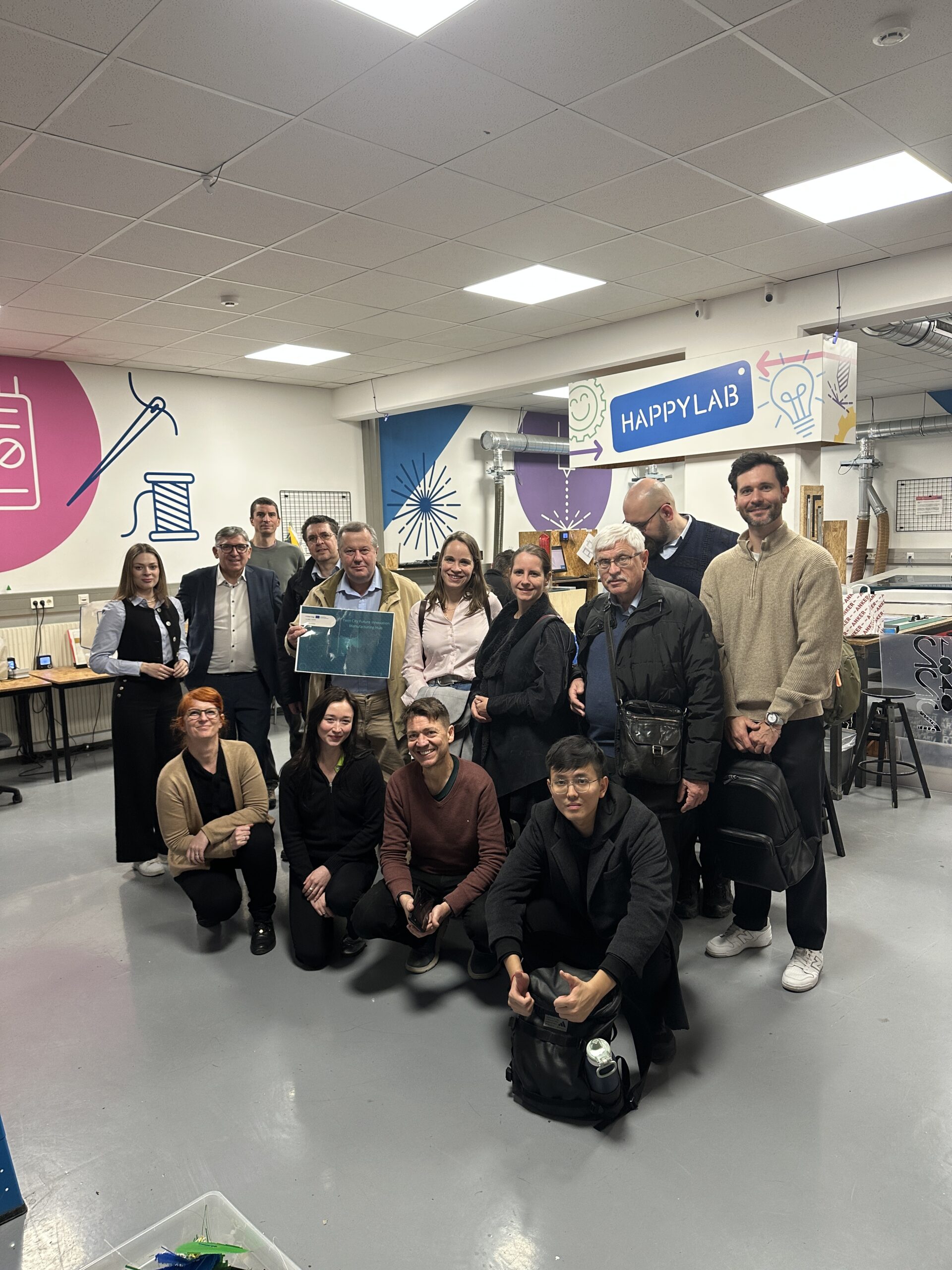
Happylab Vienna offered a complementary perspective through its makerspace model. By providing 24/7 access to digital fabrication tools and structured support for prototyping and education, Happylab demonstrates how democratized production environments can stimulate entrepreneurship, experimentation, and early-stage innovation.
Impressions
Vision for future cross-border cooperation
The visits revealed complementary strengths within the Twin City region. Bratislava showcased an agile, research-driven ecosystem with strong IP management and growing AI excellence. Vienna demonstrated industrial scale, advanced applied research capacity, and mature prototyping infrastructure.