Twin City Hub visited the Dutch innovation hubs
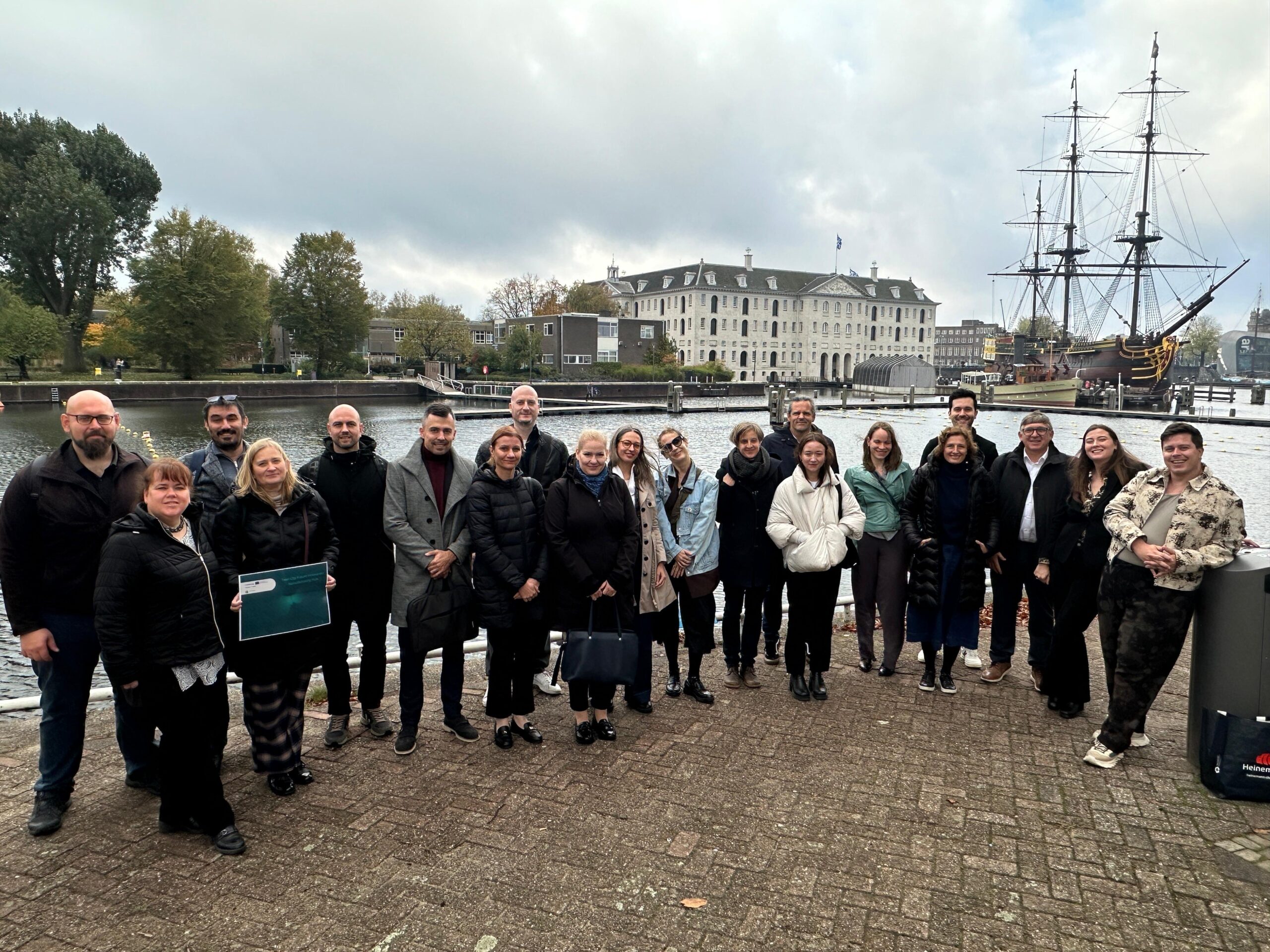
As part of the Twin City Future Innovation Manufacturing Hub initiative to strengthen cross-border innovation capacities and develop a future-oriented manufacturing strategy for Vienna and Bratislava, the project consortium delegation took part in a three-day fact-finding mission to the Netherlands. The aim was to discuss good practice with one of the most advanced regional innovation ecosystems in Europe and to gain actionable insights for the design and management of innovation centers, applicable within the Interreg project.
Public-private partnerships and a community-based approach drive innovation
Discussions with public innovation entities, policymakers, venture builders, training centres and cooperative universities, as well as campuses that blend manufacturing infrastructure, research, entrepreneurship and venture capital, offered valuable insights into collaborative models within the Dutch innovation ecosystem. This also included dedicated education and community-building activities.
The exploratory mission underscored the importance of public–private partnerships, interconnected local and regional innovation ecosystems, targeted community-building efforts, and a shared, value-driven vision—where technology addresses both current and future societal challenges—as key drivers of innovation.
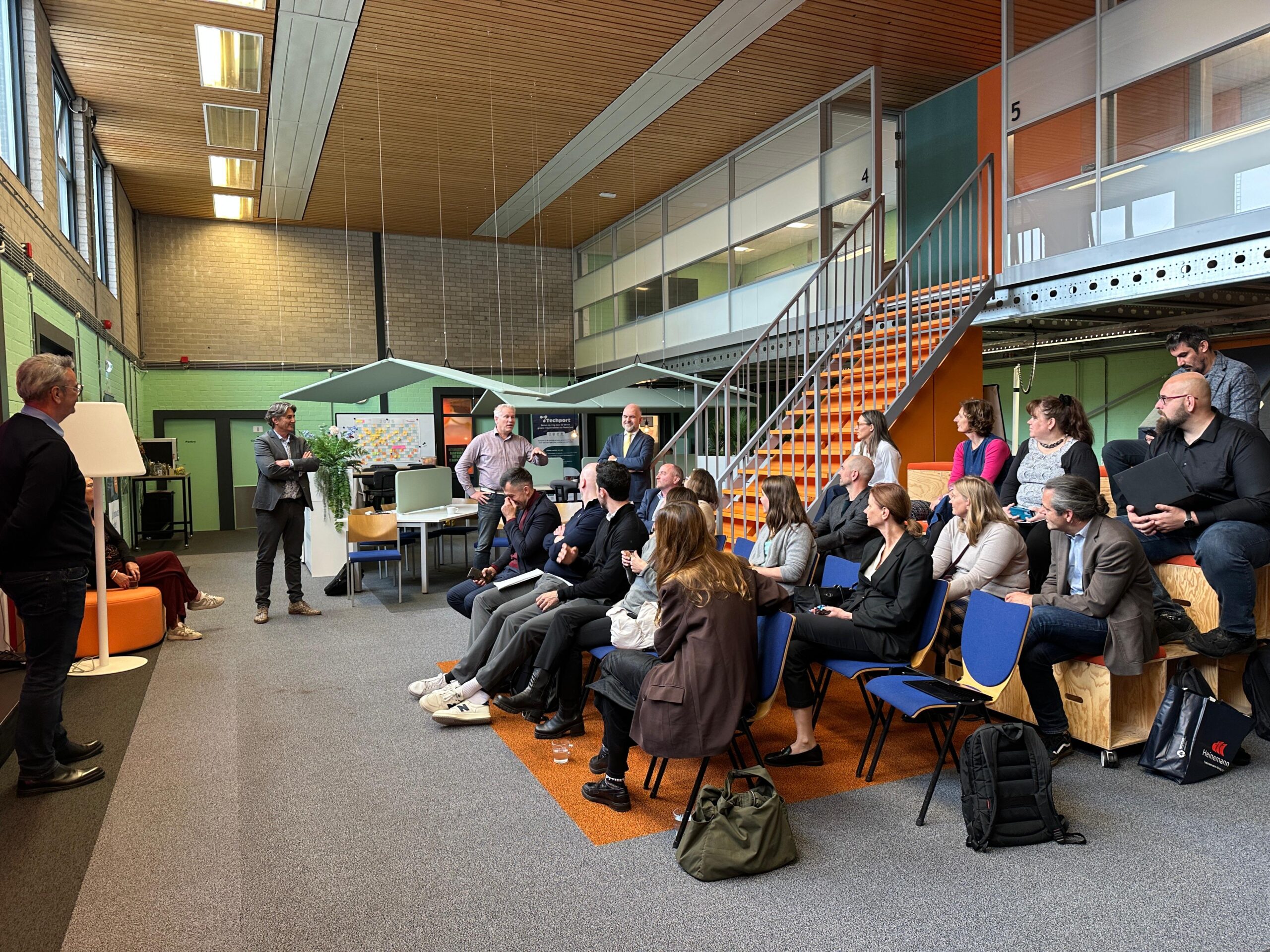
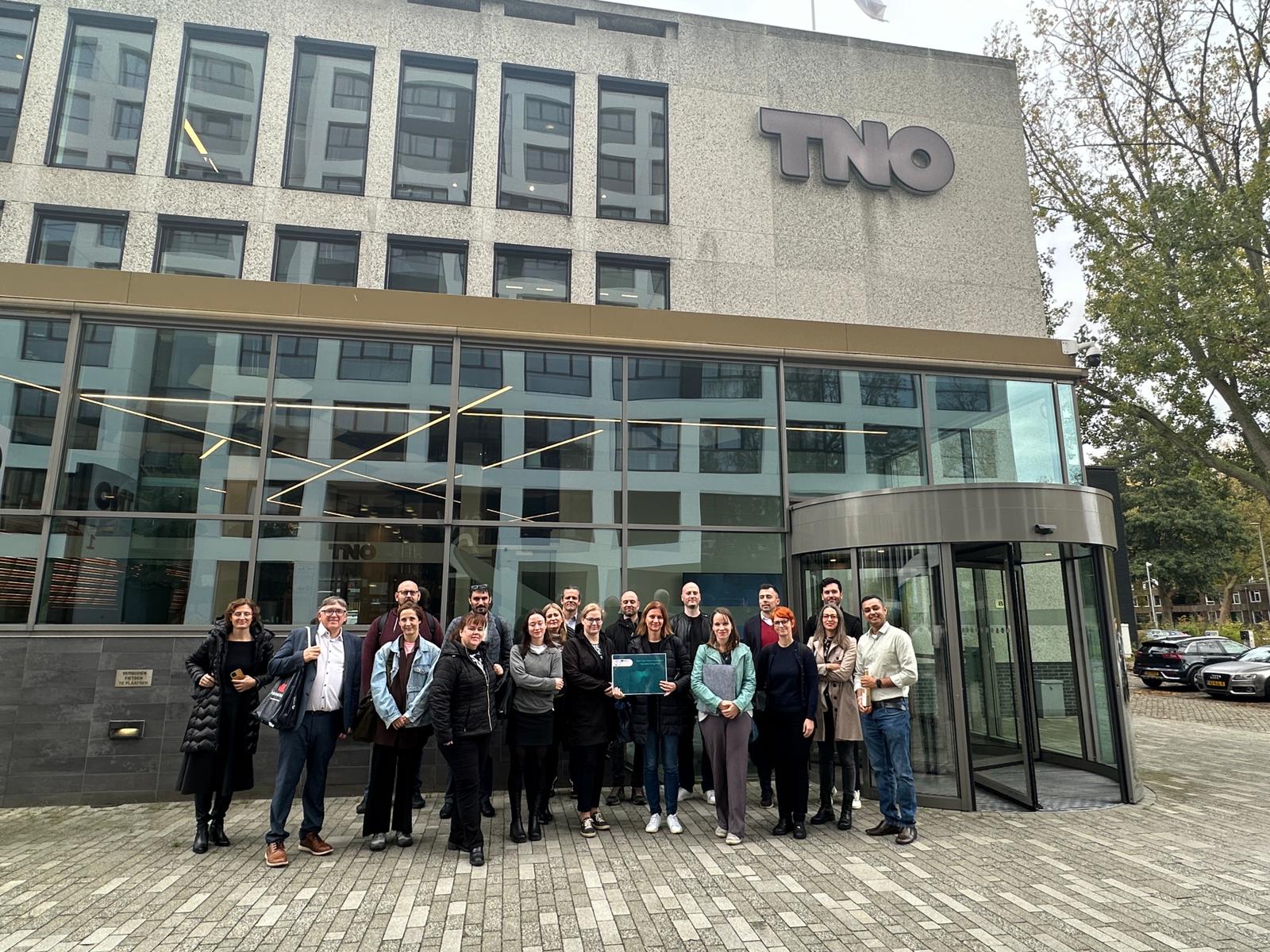
Impressions

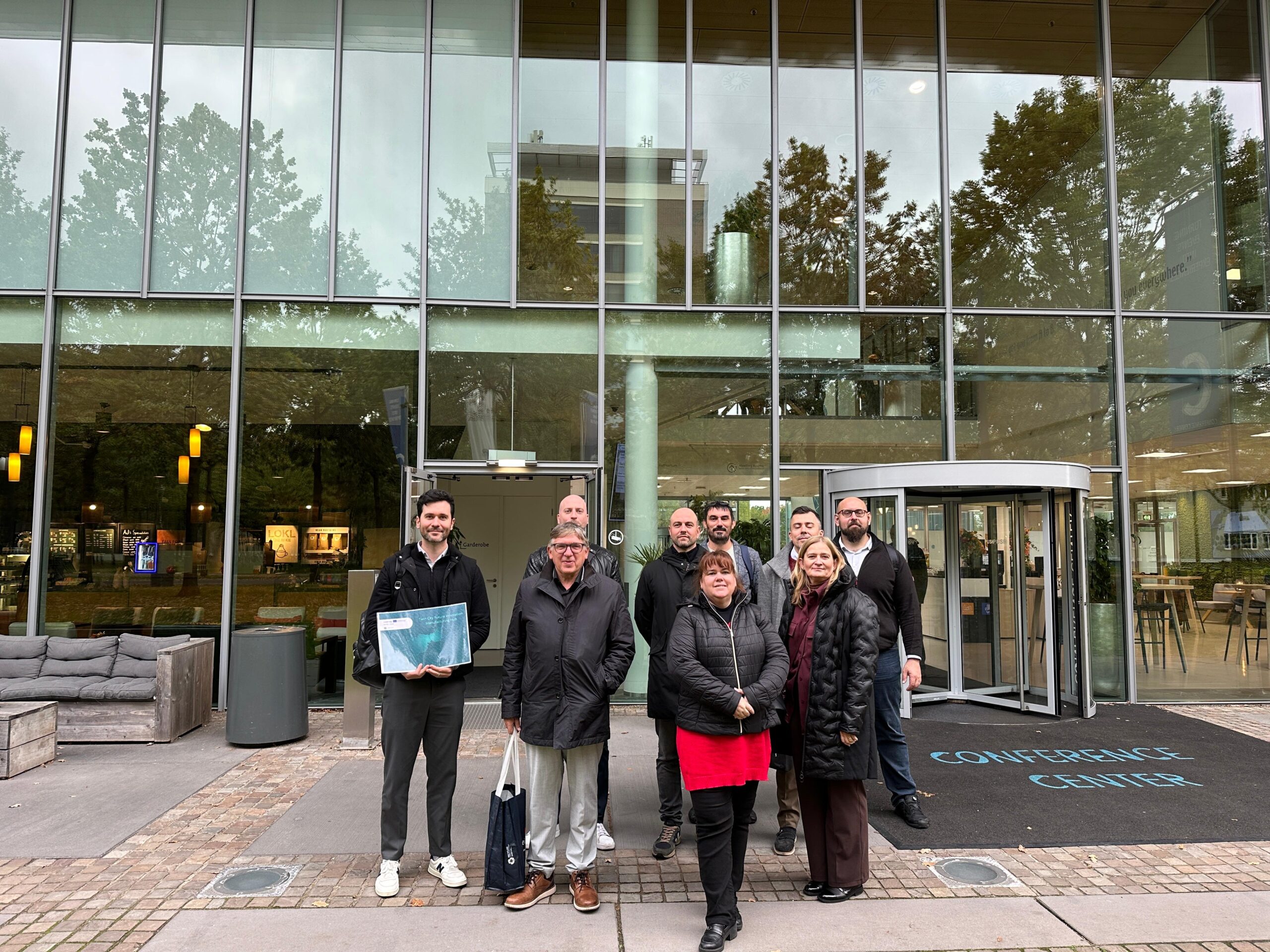
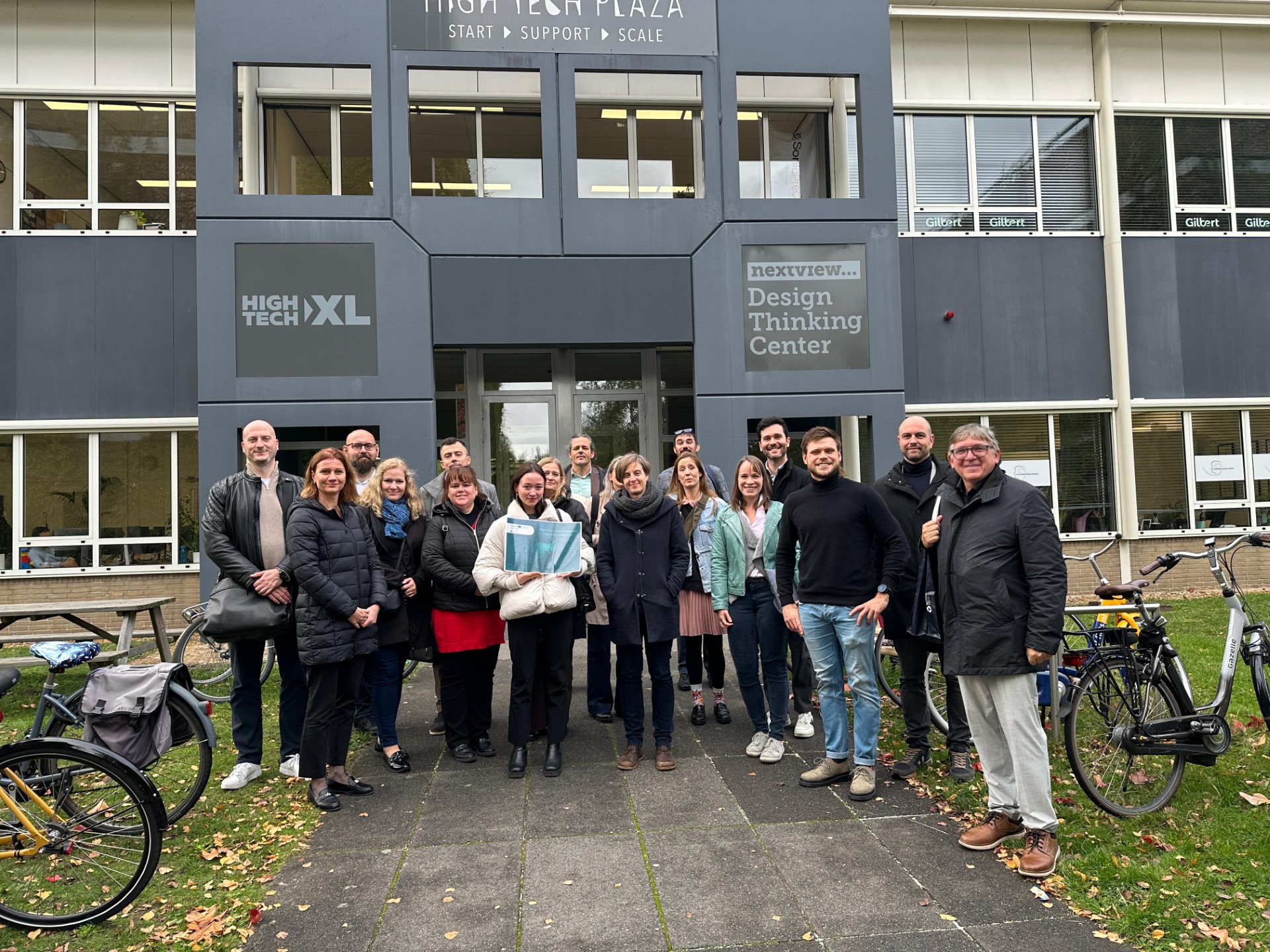
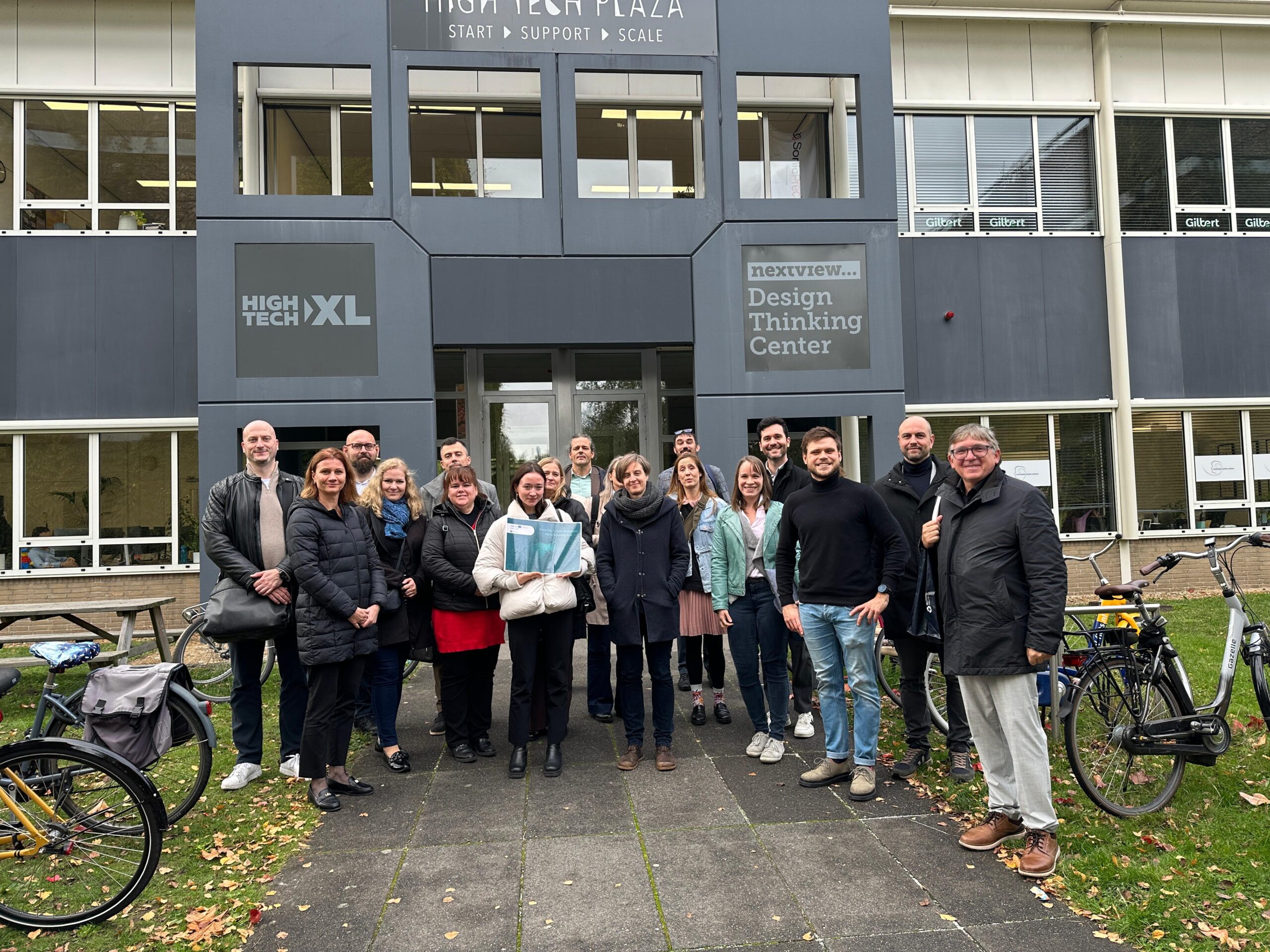
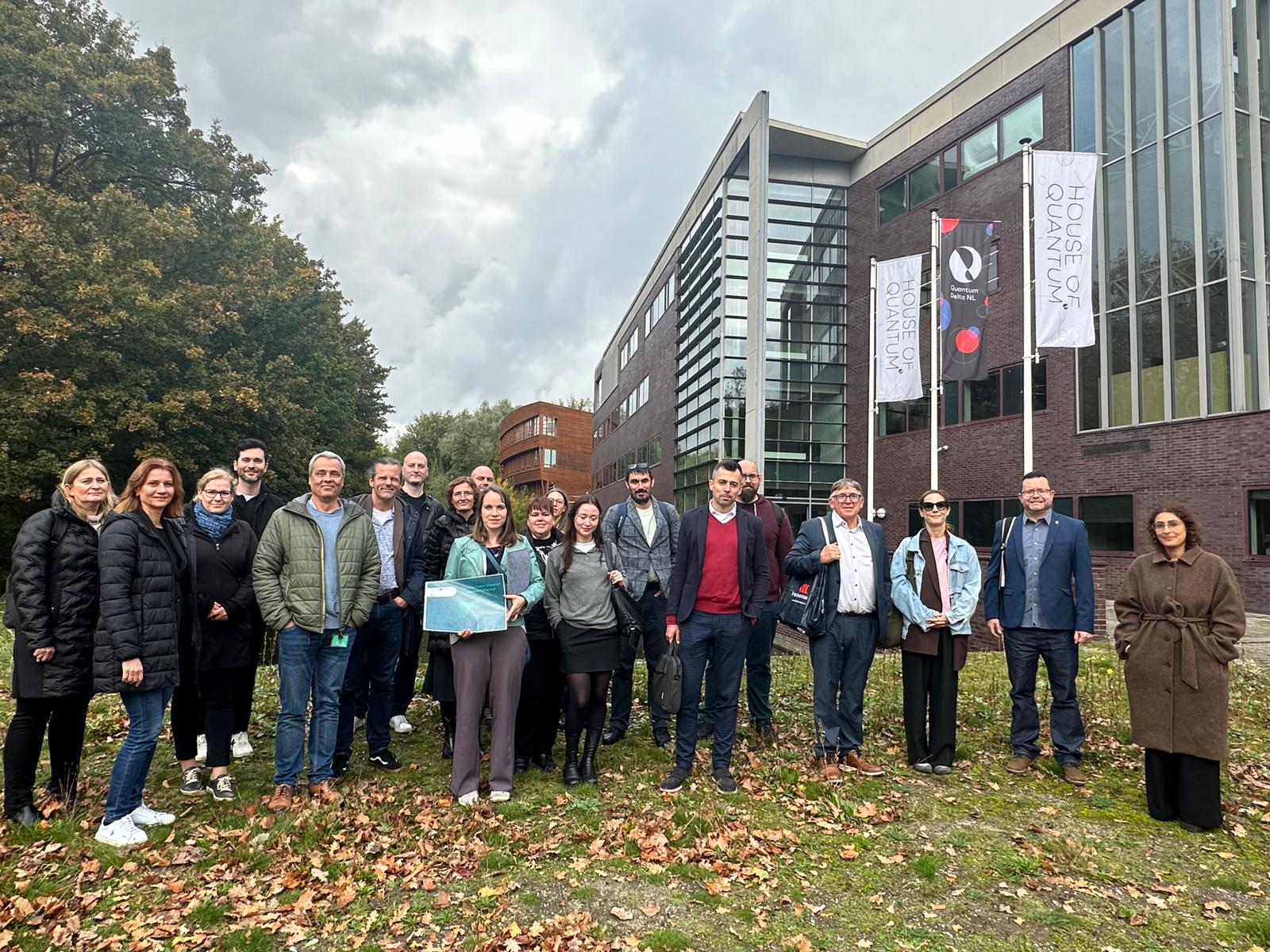

Vision behind the innovation & cooperation models
The Netherlands has developed a strong, value-based interconnected innovation ecosystem, with regions focusing on specific areas of research, technology and related manufacturing sectors.
Participants expressed interest in the city & startups collaboration model, efficient local research-industry collaboration addressing the needs of companies, the value of campus-driven innovation in the high tech and quantum field, and the good practice in scaling up and venture building.
Other areas of interest included STEM education awareness-building projects and concepts such as place-based wellbeing applied for the whole region (quadruople helix at the local and regional levels), or quintuple helix (quadruple helix plus capital) as key innovation drivers.